
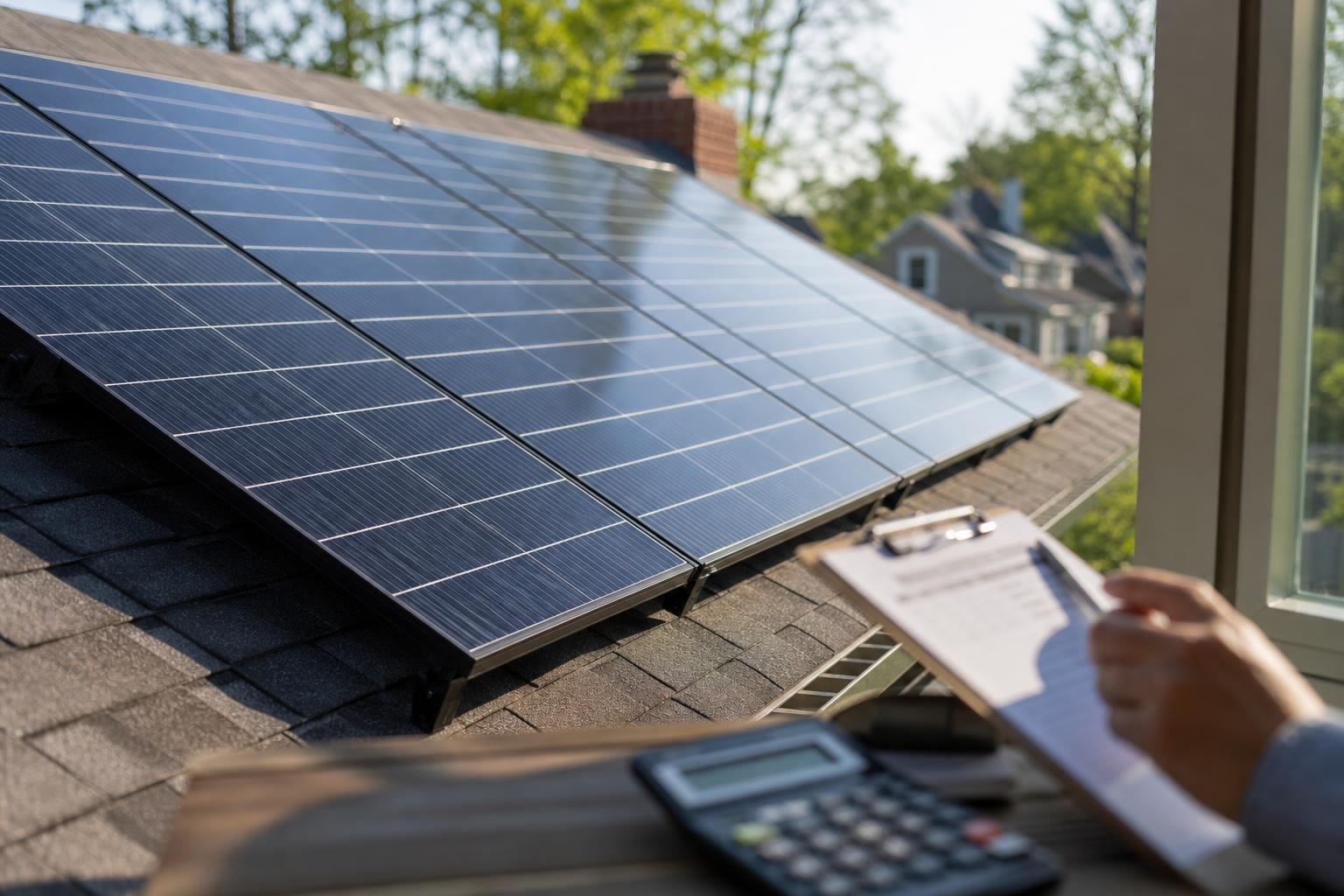
Solar Incentives in Cambridge
Understand the main solar incentives and bill-credit rules Cambridge homeowners often review before comparing proposals.
Incentive details can change, so current program terms should always be confirmed.
The Main Incentives to Review First
For many Cambridge homeowners, the first incentives to review are the federal Residential Clean Energy Credit if applicable to your tax situation, Ontario's net metering framework, and any current rebate-style programs being promoted for residential upgrades. Some search results also reference rebate offers for solar and battery storage, but program details, timing, and eligibility should be verified carefully before relying on them in a quote.
How the Federal Tax Credit Fits In
The Residential Clean Energy Credit is the federal incentive most homeowners recognize, but it applies through the tax system and depends on eligibility and ownership. It is not the same as a point-of-sale discount, and the value to any household depends on individual tax circumstances.
If a proposal assumes that credit, ask the company to show your project pricing both with and without it so you can understand the actual contract terms clearly.
Ontario Net Metering and Utility Credits
In Ontario, many homeowners look closely at net metering because it affects how excess solar generation is credited over time. The Ontario Energy Board's published net metering guidance is an important reference point when you compare bill-saving expectations.
That said, the real impact depends on your utility setup, your home's daytime usage, and how much energy your system sends back to the grid at different times of year.
What to Confirm Before You Rely on Incentive Estimates
Some Cambridge-area solar searches surface rebate claims tied to broader home energy upgrade programs, including references to support for solar panels and battery storage. Those offers can be useful to investigate, but homeowners should confirm whether a program is active, whether solar is still an eligible measure, and what ownership or documentation rules apply.
This is where careful quote review matters. A responsible proposal should explain whether an incentive is already reflected in the pricing, whether you apply separately, and what happens if a program changes before installation.
A careful quote review should separate published incentive guidance from assumptions. That is especially important if you are comparing ownership options, battery add-ons, or projected bill credits under Ontario net metering rules.
How Financing Affects Incentives
Cash purchase
With a cash purchase, homeowners usually keep the clearest line to any available tax credit, rebate, or utility enrollment tied to system ownership.
Solar loans
Loans can still work well, but you should review how payments, interest, and any expected incentive timing fit into the overall project economics.
Low-upfront structures
Low-upfront offers can be worth reviewing carefully, especially when ownership, maintenance responsibility, or incentive rights are handled differently than a standard purchase.
Battery storage
Battery storage may have separate cost and incentive considerations. If storage is part of the quote, ask whether any available program treats it differently from the solar array itself.
What Documentation to Keep
Keep copies of your signed contract, invoices, equipment details, proof of payment, and any forms tied to tax credits, rebates, or utility enrollment. Good records make it easier to confirm what was promised and what was actually installed.
Homeowners in Cambridge should also keep emails or approval documents related to net metering, interconnection, and any program applications. If a tax credit is involved, your tax preparer may need those records later.
Incentive Questions Homeowners Often Ask
What solar incentives should Cambridge homeowners check first?+
Most homeowners first review the federal Residential Clean Energy Credit, Ontario net metering rules, and any current rebate-style programs that may apply to the home and ownership structure. Availability and details should be confirmed before you sign.
Do incentives still apply if I finance the system?+
Often yes, but it depends on the program and who owns the system. Some incentives are tied to the homeowner's tax situation, while others depend on utility enrollment or separate program requirements.
Does net metering mean my electric bill goes to zero?+
Under Ontario net metering, excess generation can generally be credited against future electricity use, but that does not mean every monthly charge disappears. Your usage, rate structure, and seasonal production still matter.
Does ownership structure affect who receives incentives?+
Not always. Some benefits only apply when the homeowner owns the system directly, and lease or third-party structures can change who claims available credits or rebates.
What paperwork should I keep for solar incentives?+
Save contracts, invoices, proof of payment, equipment specifications, and any program or utility approval documents. Those records can matter for tax filing, rebate review, and future service questions.
Ready to See How Incentives Affect Real Quotes?
Once you understand the main incentive categories, the next step is comparing quotes that show how those assumptions affect the full project.